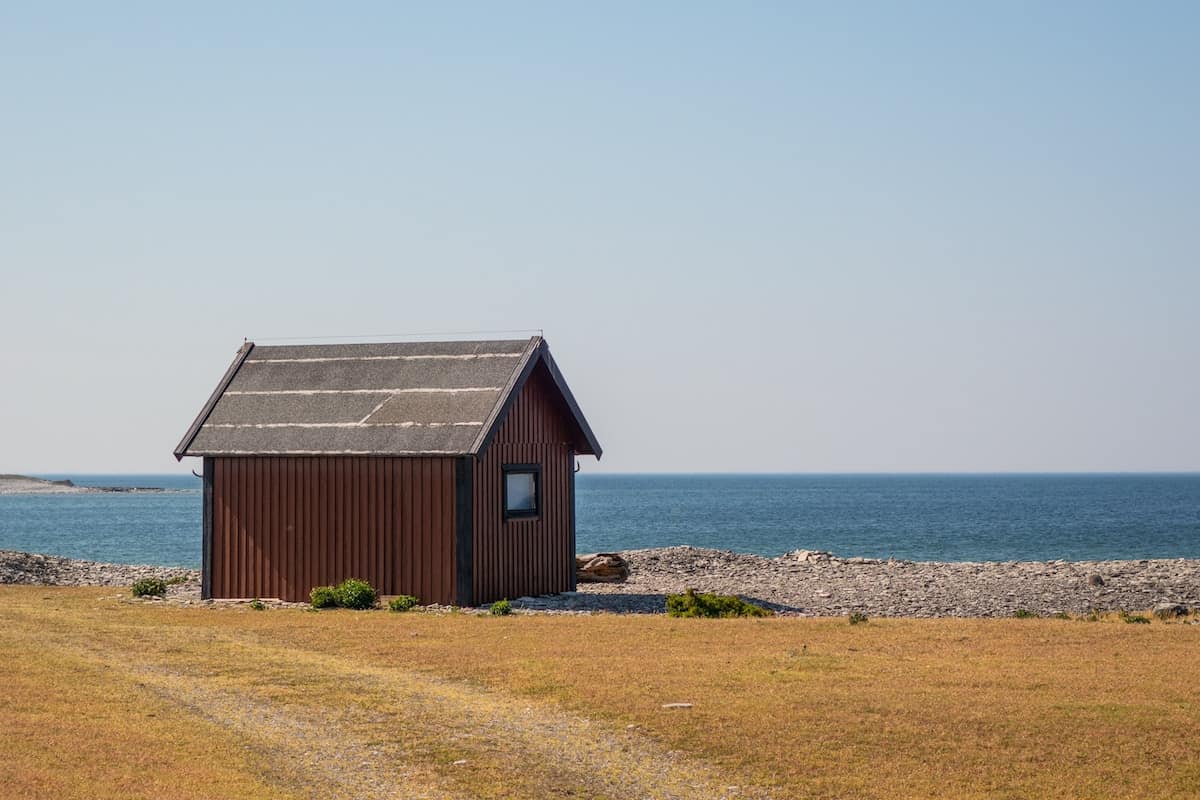
Tiny home enthusiasts cite lower costs as one of the main reasons to make it their residence. Being mindful of costs is important to this group. In fact, 60 percent of tiny home owners don’t carry credit card debt, according to Tiny Home Society.
While tiny homes do have small footprints, they’re not always the most cost-effective when it comes to living arrangements, especially compared to efficiency apartments. Also, if living in or near a large city is necessary for work, most larger cities don’t offer the option to live in a tiny house but efficiency apartments make it affordable.
For those considering a tiny house vs. an efficiency apartment, here are six things to consider.
1. Long-term cost

It really depends on your lifestyle plans. Tiny houses are a larger investment upfront but will pay for themselves in the long run. However, your lifestyle might have changed by that time and you might no longer want to live in a tiny house.
Efficiency apartment rent can differ widely by location. An apartment in New York City will cost a lot more than one in Kansas. Regardless, you will have a higher monthly payment than you’ll likely pay for a tiny house mortgage or financing. However, if you only plan on living small for a few years, your total cost over that time for your apartment may be less than your tiny house.
- Verdict: Tiny house if you plan on staying for a while, otherwise go with the efficiency apartment
2. Utility costs

Smaller footprints generally mean lower utility costs, which makes tiny homes attractive. Efficiency apartments also have smaller footprints and sometimes utilities are covered as part of your rent. If reducing your utility costs is important, smaller is definitely better, especially since not only are you heating and cooling a smaller space, but the appliances you use will likely be smaller in size, too.
Keep in mind that tiny homes often need specific low-energy appliances that can be costly to replace when they break down.
- Verdict: Efficiency apartment
3. Storage

When living in a tiny home, every inch matters because it’s all you have. It forces you to be mindful of your available space! It’s hard to stock up on any essentials because there literally isn’t any place to store them.
While not all apartment buildings offer storage, some do as part of your rental agreement or for an additional nominal fee. If storage access is important to you, consider your options in advance since those monthly storage unit costs can add up.
- Verdict: Tie
4. Ownership

You own your tiny house, which means you can decorate it, paint it, hang shelves and do with it whatever you’d like!
Buying real estate is considered an investment, except buying a tiny house isn’t exactly buying real estate. Most tiny homes are certified and classified by the RVIA (recreational vehicle industry association) so like any other vehicle, it starts depreciating as soon as you drive it off the lot.
Also, unless you own the property on which you park your tiny home, you’ll have to pay to park which can range by the state since you have to find a spot with electric and water hookups. Since a tiny home isn’t considered real estate if it’s not permanently attached to the ground, it also means homeowners don’t get the same tax deduction benefits as property owners enjoy.
Finally, unless you can find a tiny home to rent (and those do exist), you’ll need to purchase your tiny home which means you’ll need to have the funds to purchase it outright or finance it like you would a car or mortgage.
- Verdict: Tiny house
5. Flexibility

Whether renting an efficiency apartment or living in a tiny home, many love the freedom and flexibility to move about rather than being stuck in one place for years at a time.
That flexibility does come at a cost. Moving is rarely inexpensive. A new security deposit will need to be submitted, as well as the actual cost of moving your belongings from one apartment to the other.
Tiny home owners aren’t exempt from moving expenses, even if they own their home. Often, you’ll need a large truck, plus a hitch. And if it’s not already installed on the truck, you’ll need to get it installed. Granted, once you own that large truck and hitch, they’re yours, but it can be costly to purchase and maintain a truck simply for the benefit of helping you move around your tiny home.
- Verdict: Efficiency apartment
6. Community and Amenities
Andrew Chung, founder of tinyhousezine.com, highlights that efficiency apartments offer a strong sense of community due to shared spaces like gyms, rooftop lounges, and BBQ areas. These communal amenities provide opportunities to socialize and connect with neighbors, which is often missing in the more secluded setting of tiny homes. While tiny houses may offer more privacy, especially in rural settings, those seeking convenient amenities and a built-in community may find efficient apartments a more appealing choice.
- Verdict: Tie
7. Moving on

Speaking of flexibility, if you do want a change of pace or get relocated and need to move to a different area, city or even state, it’s easy enough to wait out the rest of your lease or, in some cases, sublet your apartment and move to a new one.
It’s not easy to rent out a tiny home and many large cities don’t even have them available at all. Tiny home living is definitely a lifestyle and as much flexibility and freedom it affords, it’s not so easy to move on if you’re ready for a lifestyle change.
- Verdict: Efficiency apartment
The choice is yours
Whether you’re attracted to smaller spaces because they’re easier to manage or because it’s more cost-effective to live in one, especially if you’re interested in living in a larger city where rents tend to be high, it’s important to consider the pros and cons of living in a tiny house vs. an efficiency or studio apartment.