Choosing to move to Texas vs. Arizona can be challenging. Texas and Arizona are two of the most appealing Southwestern states, offering warm climates, unique cultural experiences, and thriving economies. Whether you’re drawn to Texas’ community-focused living and cowboy culture or Arizona’s outdoor recreation and desert beauty, each state has distinct advantages. In this Rent. article, we’ll compare the key differences in cost of living, climate, signature experiences, and more to help you decide which state to call home.

Lifestyle: Tradition and community vs. outdoor adventure
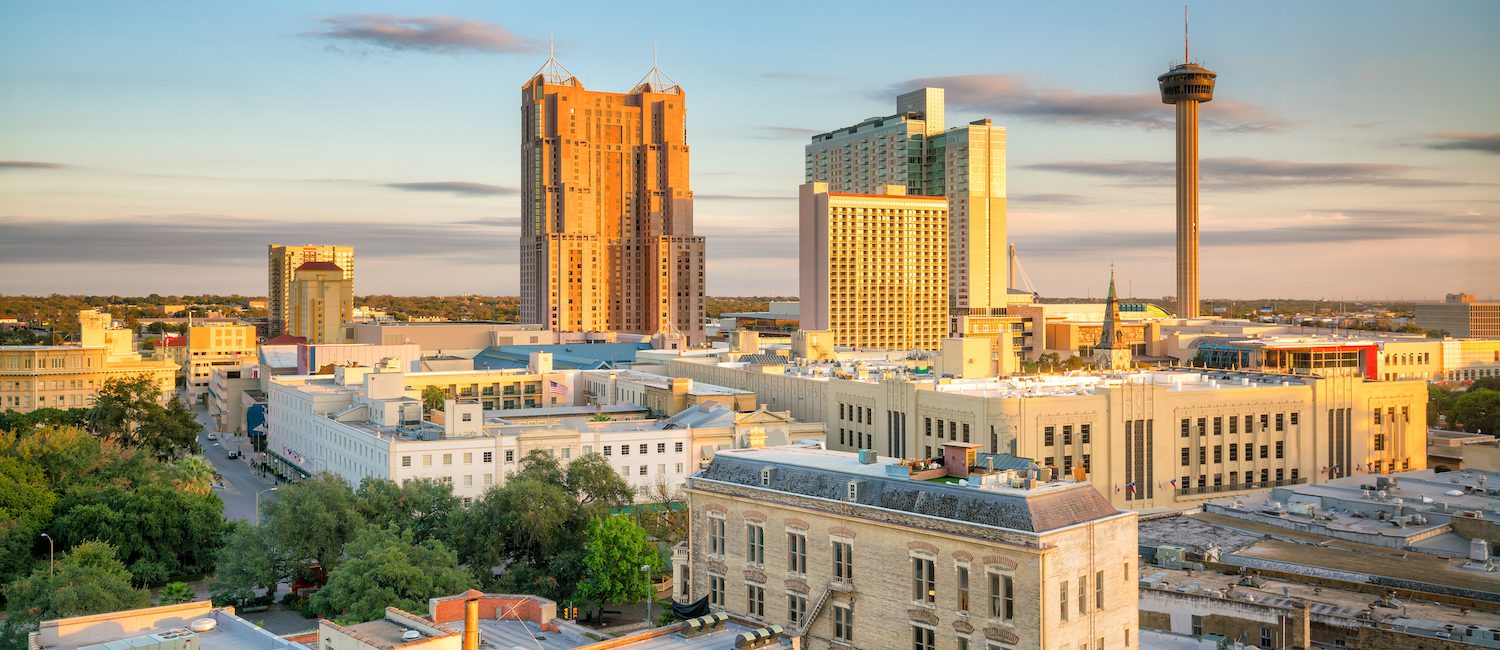
Texas has a lifestyle steeped in tradition and community. From cities like Dallas and Austin to small towns like Fredericksburg, Texans take pride in their culture, whether it’s gathering for a Friday night football game, attending a local rodeo, or hosting backyard BBQs. Major cities provide diverse dining, entertainment, and arts scenes, while rural areas emphasize spacious living and a slower pace.
Arizona caters to those who love outdoor adventure and a more laid-back lifestyle. Cities like Phoenix and Tucson are hubs for dining, culture, and easy access to the outdoors. Arizona’s residents enjoy activities like hiking Camelback Mountain, golfing year-round, or exploring the Grand Canyon. Towns like Flagstaff and Sedona offer a mix of natural beauty and a small-town feel, attracting those seeking relaxation and outdoor recreation.
Overall, the lifestyles in Texas and Arizona are somewhat similar. Both states cater to those who enjoy the outdoors, community, and a slower pace of life.
Cost of living: Texas vs. Arizona
Both Texas and Arizona are affordable compared to other states, but Texas has a slight edge in overall cost savings.
In Texas, the median home price is lower at approximately $345,000, with affordable housing options in cities like San Antonio and Fort Worth. Rent prices average around $1,500 for a one-bedroom apartment statewide, though major cities like Austin see higher rates. Utilities are generally more affordable, and Texas residents often benefit from lower transportation costs thanks to the state’s cheaper gas prices.
In Arizona, the median home price is approximately $445,000, with cities like Phoenix and Scottsdale trending higher. Rent averages about $1,500 state-wide, but fluctuates depending on the city. Utilities also vary, but you can expect electricity to be costly, particularly during the summer when air conditioning is a must. However, Arizona’s grocery costs are affordable, around 14.6% lower than the national average.
For those prioritizing affordability, Texas offers lower housing and utility costs, while Arizona’s expenses reflect its growing popularity and high demand for housing.

Taxes: Which state is more tax-friendly?
Texas is one of the most tax-friendly states, with no state income tax and sales taxes ranging from 6.25% to 8.25%, depending on local surcharges. However, Texas has higher property taxes, averaging around 1.8%, which can offset some of the savings from not paying income tax.
Arizona also has a relatively low tax burden, with a state income tax of 2.5%. Property taxes in Arizona are significantly lower than in Texas, averaging about 0.60%, but sales taxes can range from 5.6% to 11%, depending on the locality.
While Texas’ lack of state income tax is a major advantage, Arizona’s lower property taxes may appeal to homeowners seeking long-term savings.
Climate: Humid heat vs. dry desert
Texas has a variety of climates depending on the region. Central and southern areas, such as Austin and Houston, experience hot, humid summers with temperatures often exceeding 90°F, while West Texas cities like El Paso have a dry, desert-like climate. Winters are generally mild, though northern parts of the state occasionally see snow and ice. Texas’ large size means residents can choose from diverse weather patterns based on their preferences.
Arizona is known for its dry, desert climate with intense summer heat and mild winters. Cities like Phoenix frequently see summer temperatures exceeding 110°F, while higher elevations in Flagstaff and Sedona provide cooler weather and even occasional snowfall. Arizona’s clear skies and lack of humidity make it ideal for those who enjoy consistent warmth and sunshine.

Sports teams: Who do the locals root for?
Texas has a deep connection to sports, particularly football. The Dallas Cowboys are one of the most iconic NFL teams, while college football programs like the Texas Longhorns and Texas A&M Aggies draw passionate followings. Texas also boasts professional teams in every major league, including the Houston Astros (MLB) and San Antonio Spurs (NBA). High school football is a cultural phenomenon in Texas, fostering local pride and community spirit.
Arizona has a growing sports culture with professional teams like the Arizona Cardinals (NFL), the Phoenix Suns (NBA), and the Arizona Diamondbacks (MLB). The state’s warm climate also attracts MLB spring training, with the Cactus League drawing fans from across the country. College sports, particularly at Arizona State University, also play a significant role in the state’s sports scene.
Signature experiences: Cowboy culture vs. desert landscapes
Texas is rooted in its cowboy culture and wide-open spaces. Residents can attend iconic events like the Houston Livestock Show and Rodeo or explore historic landmarks like The Alamo in San Antonio. The state’s BBQ scene is legendary, and its strong music history, especially in Austin’s live music venues, adds to its cultural depth.
Arizona, on the other hand, is defined by its dramatic desert landscapes and outdoor adventures. Exploring the Grand Canyon, hiking Sedona’s red rocks, or stargazing in dark-sky communities like Flagstaff are experiences unique to the state. Arizona’s luxury resorts and spas, particularly in Scottsdale, combine natural beauty with relaxation.
Texas celebrates its cowboy heritage and community traditions, while Arizona offers breathtaking desert adventures and serene escapes.

Job markets and major industries: Texas vs. Arizona
Texas’ economy is one of the strongest in the nation, with key industries including energy, technology, and healthcare. Cities like Houston are global leaders in oil and gas, while Austin has emerged as a thriving tech hub. Texas also has a strong manufacturing sector and a growing focus on renewable energy, providing a range of job opportunities.
Arizona has a smaller but rapidly growing economy, driven by industries like technology, healthcare, and tourism. Phoenix has become a hub for tech companies and startups, while Tucson is known for its aerospace and defense industries. Arizona’s tourism sector, fueled by its national parks and luxury resorts, also plays a significant role in the state’s economy.
Rent.com does not provide legal, tax, or financial advice. This article is for informational purposes only and is not a substitute for professional advice from a licensed attorney, tax professional, or financial advisor.