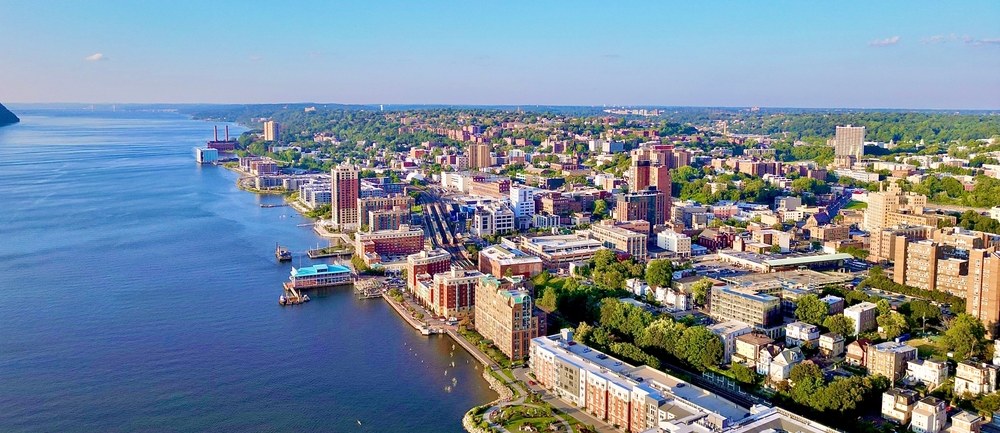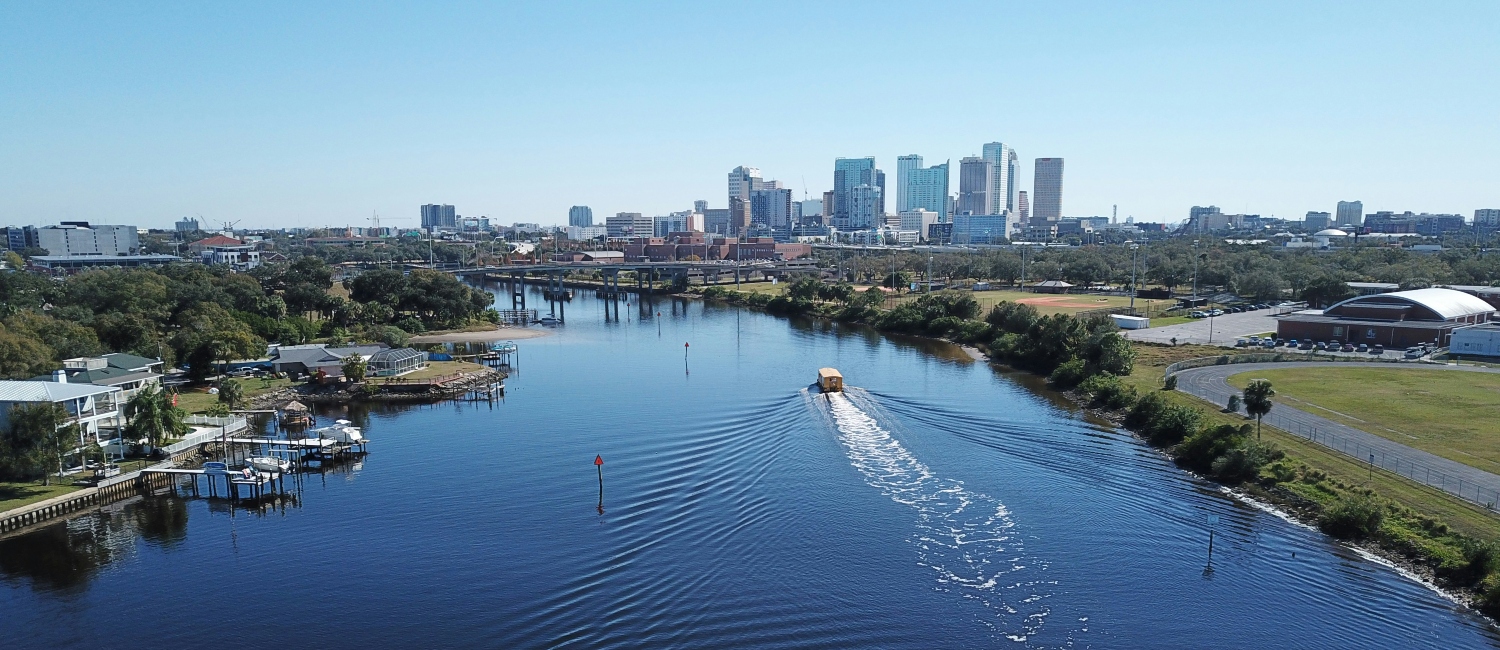
St. Paul is a beautiful Minnesota city that feels more like a collection of neighborhoods than a bustling metropolis. Whether you’re drawn to its friendly people or its strong job market, living in St. Paul has its own set of advantages and challenges. Let’s explore 13 of the most prominent pros and cons of living in St. Paul to help you decide if this half of the Twin Cities should be your next home.

St. Paul at a glance
Walk Score: 89 | Bike Score: 70
Median Sale Price: $295,000 | Average Rent for 1-Bedroom Apartment: $1,311
St. Paul neighborhoods | Houses for rent in St. Paul | Apartments for rent in St. Paul | Homes for sale in St. Paul
1. Pro: Historical architecture
St. Paul boasts beautifully preserved historic neighborhoods. Summit Avenue, lined with Victorian mansions, offers a picturesque view of the past. This charm attracts residents who appreciate unique, character-filled homes. If you love architecture, St. Paul’s buildings offer a tangible connection to history.
2. Con: Limited new construction
While St. Paul’s historical homes are stunning, new construction can be harder to find. The city’s focus on preservation means fewer modern housing developments. If you’re looking for brand-new homes or apartments in St. Paul with modern amenities, your options may be more limited.
3. Pro: Thriving culture
Living in St. Paul means you have access to an abundance of attractions. From the Ordway Center for Performing Arts to the Minnesota History Center, there are tons of options for entertainment. The city’s many festivals, including the Minnesota State Fair, offer year-round fun.
4. Con: Harsh winter weather
While not one of the coldest cities in the U.S., winters in St. Paul can be brutal. Heavy snowfall and freezing temperatures typically last several months. Snow removal can be time-consuming, and heating costs can be a concern. Those unaccustomed to long, cold winters may find it challenging.

5. Pro: Great job opportunities
St. Paul has lots of employment opportunities, especially in government, healthcare, and education. Major employers like 3M and Ecolab have headquarters nearby. The presence of state government offices also adds to the strength of the local job market.
6. Con: High property taxes
While job opportunities are abundant, property taxes in St. Paul can be higher than the national average. Homeowners may face higher annual payments, which could offset some of the affordability found in housing prices.
7. Pro: Abundant parks
St. Paul has over 170 parks, including the expansive Como Park, which features a zoo, conservatory, and lake. The city’s commitment to green spaces provides residents with easy access to outdoor activities like hiking, biking, and more. If you like being outside, there’s plenty to do in St. Paul, weather permitting, of course.
8. Con: Aging public infrastructure
The city’s age shows in its public infrastructure. Some roads and public facilities are in need of updates. Locals experience inconveniences with road construction or aging public transportation systems, particularly during winter months.

9. Pro: Diverse dining options
St. Paul’s food scene is exciting, with plenty of locally-owned restaurants, like Bennett’s Chop and Railhouse, frequented by residents. Whether you’re craving classic American fare or want to explore Hmong, Somali, or Mexican cuisine, St. Paul has something for everyone.
10. Con: Less nightlife than Minneapolis
While St. Paul has a strong culture, its nightlife can feel quieter compared to its Twin City counterpart, Minneapolis. If you’re looking for a buzzing bar and club scene, you may find yourself commuting across the river.
11. Pro: Family-friendly environment
St. Paul is known for its family-oriented atmosphere, with excellent schools and family-friendly activities. The Minnesota Children’s Museum and Science Museum of Minnesota are both located here, providing educational fun for all ages.

12. Con: Public transportation limitations
While St. Paul has public transportation options, including buses and the METRO Green Line, the system is less comprehensive than in larger cities. Depending on your neighborhood, you may still need a car for daily commuting or reaching certain destinations.
13. Pro: Strong sense of community
Neighborhoods in St. Paul have a tight-knit, community-focused feel. Local events, farmers’ markets, and festivals bring residents together, making it easy to get to know your neighbors.