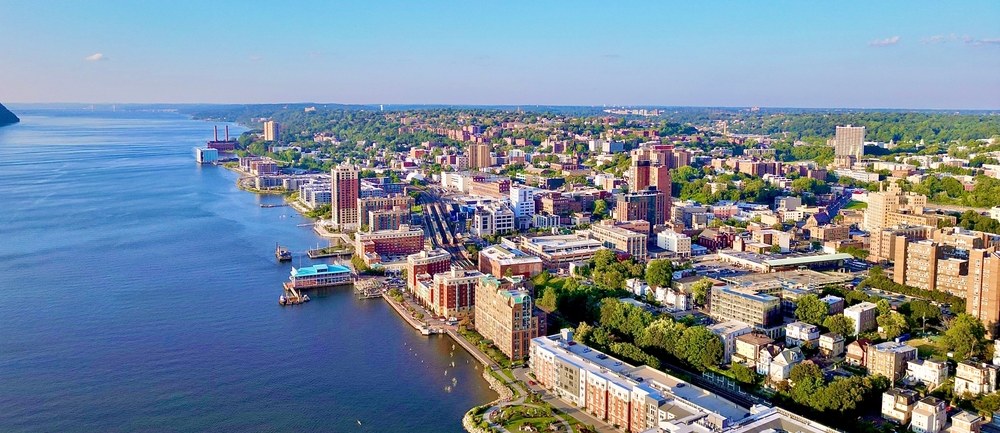
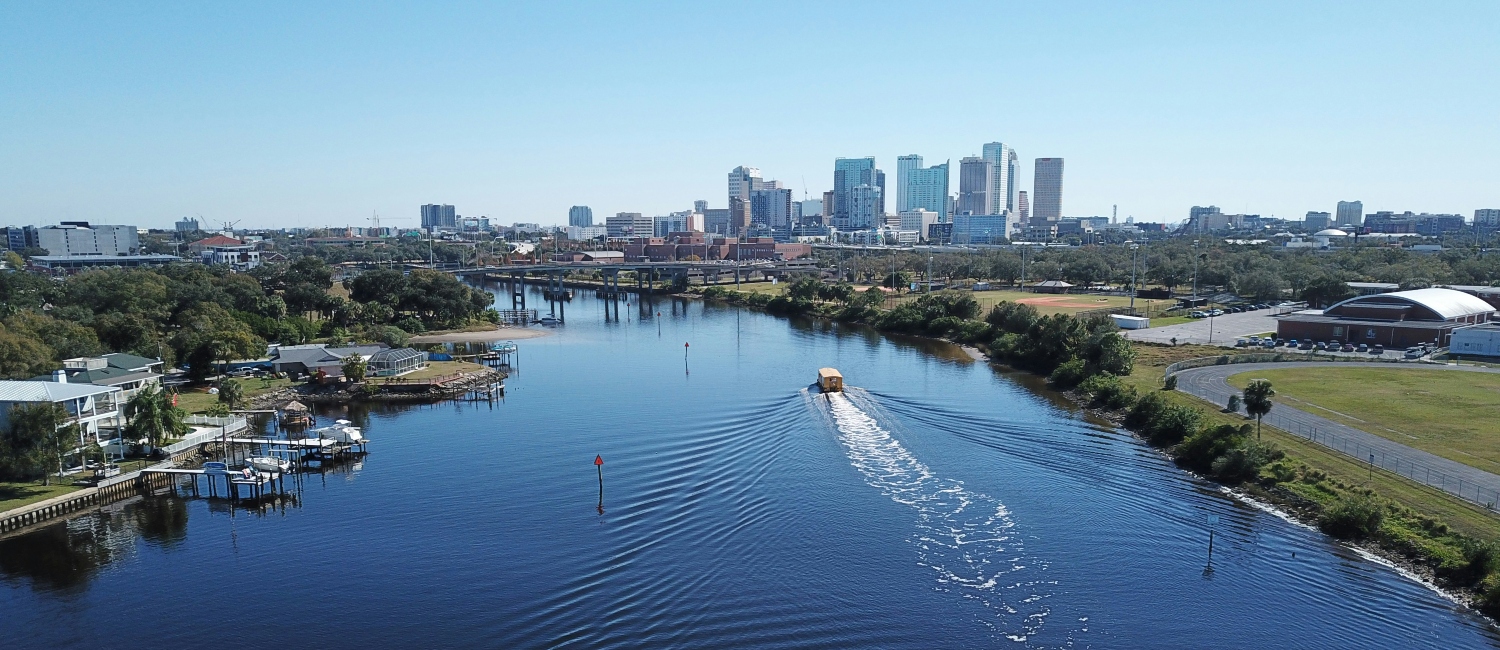
Considering a move to Newark, NJ? As New Jersey’s largest city, Newark provides a big city lifestyle with proximity to New York while maintaining its own distinct culture. To give you a full picture of what life in this cool New Jersey city is like, here are nine of the most prominent pros and cons of living in Newark.

Newark at a glance
Walk Score: 76 | Bike Score: 51 | Transit Score: 65
Median Sale Price: $527,500 | Average Rent for 1-Bedroom Apartment: $2,595
Newark neighborhoods | Houses for rent in Newark | Apartments for rent in Newark | Homes for sale in Newark
1. Pro: Convenient transportation options
Newark is one of the best-connected cities in New Jersey, making commuting easy. Newark Penn Station offers access to NJ Transit, PATH trains, and Amtrak, allowing locals to efficiently visit friends living in Philadelphia, New York City, and beyond. The city’s extensive bus network further expands commuting options within the area. For those who prefer flying, Newark Liberty International Airport is just minutes away, providing domestic and international flights.
2. Con: Traffic congestion and delays
While public transportation is excellent, Newark’s roadways can be frustrating for drivers. Traffic congestion is common, particularly during peak commuting hours. Interstate highways like I-78 and I-95 often experience bottlenecks, and local roads can be equally jammed. Commuters who rely on driving into or out of the city may find the frequent delays challenging, especially when traveling to nearby places like Jersey City or Hoboken.
3. Pro: Thriving culture
Living in Newark means easy access to top-tier cultural institutions. The New Jersey Performing Arts Center (NJPAC) regularly hosts concerts, ballets, and Broadway-style shows. The Newark Museum of Art offers exhibits in fine art, science, and history. Newark’s culture shines in its events and festivals, including the annual Portugal Day Festival in the Ironbound district, celebrating Portuguese heritage with food, music, and performances. Needless to say, there’s always something to do in Newark.

4. Con: Limited upscale shopping
Newark lacks the high-end shopping experiences found in nearby areas. While there are many small businesses, boutiques, like Brunette Boutique, residents looking for luxury brands or designer goods often head to Manhattan or Jersey City for more upscale options.
5. Pro: Affordable for the area
Newark’s cost of living is significantly lower than New York City’s, making it an attractive option for renters and buyers looking for affordability. Rent prices in Newark, while well above the national average, are typically more affordable than those in neighboring areas like Jersey City or Hoboken. Housing follows a similar trend with median home sale prices comfortably over the national median of $428,281. This makes Newark appealing to anyone looking for proximity to NYC without paying NYC prices.
6. Con: Higher property taxes
While housing may be more affordable, Newark’s property taxes are among the highest in New Jersey. Homeowners bear the brunt of these costs, which can significantly increase the overall cost of homeownership. Renters should be aware that high property taxes often translate to higher rent, as landlords may factor these expenses into their rental prices.
7. Pro: Great food scene
Newark’s food scene is a major draw for locals and visitors alike. The Ironbound district is known for its world-class Portuguese and Spanish restaurants, like Sol-Mar, offering everything from traditional seafood dishes to tapas.

8. Con: Minimal parks
Newark has fewer parks and open spaces than other cities its size, with only a handful of major parks. While Branch Brook Park is famous for its cherry blossom trees, it’s one of only a few large parks within the city limits. Smaller parks are scattered throughout the city, but many residents looking for ample outdoor recreation space may feel the lack of abundant green areas.
9. Pro: Proximity to higher education
Newark is home to several prestigious educational institutions, making it ideal for students or professionals. Rutgers University-Newark, the New Jersey Institute of Technology (NJIT), and Seton Hall University’s law school provide a range of programs and degrees. These universities contribute to Newark’s economy and cement Newark’s status as one of the best college towns in New Jersey.