Moving to West Virginia offers a unique experience, with its picturesque landscapes, rich history and small-town charm. The state’s mountainous terrain and abundant outdoor activities make it a haven for nature lovers, while its tight-knit communities provide a welcoming atmosphere. Whether you’re browsing homes for sale in Charleston, considering renting in Morgantown, or exploring houses for rent in Huntington, here’s what you need to know before moving to West Virginia.

West Virginia at a glance
West Virginia, often referred to as the “Mountain State,” is known for its rugged natural beauty and rich history. The state’s Appalachian Mountains dominate the landscape, offering breathtaking scenery and a plethora of outdoor activities, including hiking, skiing, and whitewater rafting. With a relatively low cost of living and affordable housing options, West Virginia appeals to those looking for a slower pace of life amidst nature. The state’s economy has traditionally been driven by industries like coal mining, but in recent years, there’s been growth in sectors such as healthcare, education, and tourism.
Culturally, West Virginia is deeply rooted in Appalachian traditions, with a strong emphasis on music, crafts, and storytelling. The state’s small towns and cities are known for their friendly, close-knit communities where residents take pride in their local heritage. Education is supported by institutions like West Virginia University in Morgantown and Marshall University in Huntington, which also bring vibrant college town energy to the state. If you’re considering moving to this state, you’ll want to weigh the pros and cons of living in West Virginia before making this state your home.
| Population | 1,793,716 |
| Median home sale price | $242,400 |
| Average monthly rent | $854 |
| Affordable places to live in West Virginia | Huntington, Wheeling, Parkersburg |
| Biggest cities in West Virginia | Charleston, Huntington, Morgantown |
1. Rural living is common
West Virginia is characterized by its vast rural landscapes, with many residents living in small towns and communities within the mountains and valleys. This rural setting means that you’ll often be surrounded by nature, with easy access to forests, rivers, and wildlife, but it also means fewer amenities like large shopping centers or entertainment venues. Life here is generally slower-paced, and the communities are strong, with neighbors often knowing each other well and participating in local events.
Rural living might not be for everyone, so it’s important to weigh the pros and cons of living in West Virginia before making this state your home.

2. The roads can be challenging
Driving in West Virginia can be an adventure in itself, with roads that wind through the mountains, often with sharp curves, steep inclines, and narrow passages. In the winter, these roads can become particularly treacherous due to snow and ice, making winter tires and careful driving essential. Even in the warmer months, the mountainous terrain can present challenges, so having a reliable vehicle is a must. Additionally, many rural roads are less maintained, so it’s important to be prepared for potential potholes or gravel roads when venturing off the main highways.
Insider scoop: Familiarize yourself with local weather and road conditions through resources like the West Virginia 511 app, which provides real-time updates on traffic, road closures, and weather-related hazards.
3. Outdoor recreation is a big deal
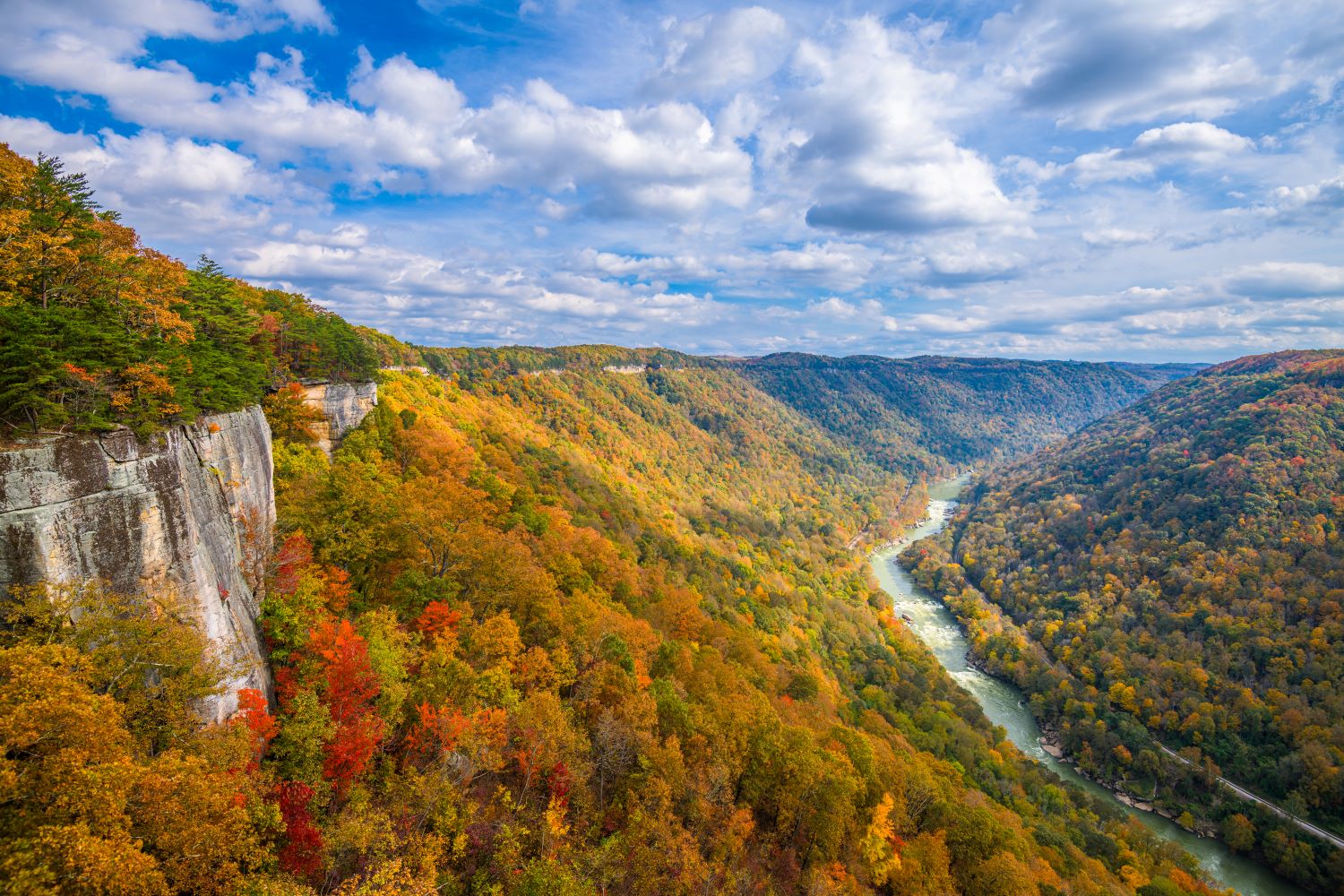
West Virginia is a paradise for exploring the outdoors, providing a range of activities like hiking, mountain biking, whitewater rafting, and rock climbing. The state is home to the New River Gorge National Park and Preserve, which attracts adventurers from across the country with its stunning landscapes and challenging rapids. In the winter, the Appalachian Mountains provide excellent opportunities for skiing and snowboarding, with resorts like Snowshoe Mountain offering world-class facilities.
Travel tip: Exploring West Virginia during the fall season is an experience not to be missed. The state’s mountainous terrain comes alive with vibrant hues of red, orange, and yellow as the foliage changes, offering some of the most stunning autumn scenery in the country.

4. Coal mining is still prominent
Coal mining has played a central role in West Virginia’s economy and culture for over a century, and while the industry has declined, it remains a significant part of the state’s identity. Many towns and communities in the southern part of the state were built around coal mines, and the industry continues to provide jobs and shape local economies.
Insider scoop: To give a feel of the state’s past, consider exploring its heritage at museums and historic sites. The Beckley Exhibition Coal Mine, is a great example, which offers underground tours.
5. The cost of living is low
The cost of living in West Virginia is relatively affordable compared to many other states. The median home sale price in the state is $242,400, making homeownership attainable for many residents. Rental prices are also reasonable, with the average monthly rent for a one-bedroom apartment in cities like Morgantown standing at $987. However, the cost of living can vary by city. In fact, the cost of living in Charleston is 10% lower than the cost of living in Clarksburg. If you’re deciding between cities, you’ll want to consider browsing through the best places to live in West Virginia.
6. West Virginia has amazing festivals
Living in West Virginia means experiencing great festivals held throughout the year. The Mountain State Forest Festival in Elkins, is one of West Virginia’s oldest and largest, featuring parades, concerts, and lumberjack competitions. The West Virginia Strawberry Festival in Buckhannon is another popular event, celebrating the state’s agricultural heritage with a week of activities centered around this beloved fruit. These festivals offer a unique opportunity to experience the state’s traditions, food, and community spirit up close.

7. There are many friendly, community-oriented people here
West Virginians are known for their warmth and hospitality. Whether you’re in a small town or a larger city, you’ll likely find that people are welcoming and eager to lend a hand or strike up a conversation. This friendliness extends to community events, where locals gather to celebrate holidays, attend functions, or support local sports teams. The emphasis on family and community means that you’ll quickly feel at home.
8. Severe weather is possible here
West Virginia’s weather can be unpredictable, with the state experiencing everything from heavy snowfall in the winter to thunderstorms and flooding in the spring and summer. The mountainous terrain can exacerbate these weather patterns, leading to challenging conditions like landslides or road closures. It’s important to stay informed about the weather, particularly during the winter months when snowstorms can be intense.
Insider tip: Always keep an emergency kit in your car when traveling through the mountains—locals know that a shovel, blanket, and some snacks can make all the difference if you get stuck in bad weather.

9. Hunting and fishing are popular activities
With its vast forests, rivers, and lakes, West Virginia is a haven for hunters and anglers, offering some of the best outdoor sporting opportunities in the country. White-tailed deer, turkey, and black bear are among the most sought-after game for hunters, while the state’s rivers and streams are teeming with trout, bass, and catfish. The state’s commitment to conservation and wildlife management ensures that these traditions continue to thrive.
10. Appalachian culture is deeply rooted
West Virginia is steeped in Appalachian culture, with a rich history of music, storytelling, and craftsmanship that has been passed down through generations. The state is known for its traditional folk music, including bluegrass and old-time, which can be experienced at local festivals, fairs, and music venues. Handcrafted items like quilts, pottery, and woodworking are also part of the cultural scene, reflecting the skills and creativity of the people.
Insider scoop: For an authentic experience, visit the annual Vandalia Gathering in Charleston, where you can immerse yourself in live music, traditional crafts, and even try your hand at old-fashioned square dancing.

11. You’ll want a car to get around
Given the state’s rural nature and the lack of extensive public transportation, having a car is essential for getting around in West Virginia. Many areas are spread out, with limited access to public transit options, particularly outside of larger cities like Charleston or Morgantown. A reliable vehicle is necessary not only for daily commutes but also for accessing the state’s many outdoor attractions and remote areas.
12. Wildlife is abundant here
West Virginia is home to a diverse wildlife, from black bears and white-tailed deer to bald eagles and bobcats. The state’s vast forests and waterways provide ideal habitats for these animals, making encounters with wildlife a common occurrence, especially in rural areas. Residents often enjoy the natural surroundings, whether it’s watching deer graze in their backyard or spotting a bear while hiking in the mountains. However, it’s also important to be aware of and respect the local wildlife, especially when living near wooded areas.
Insider tip: Secure your trash and avoid leaving pet food outside to deter bears from wandering too close, and always keep a safe distance from wildlife to protect both yourself and the animals.
13. Internet and cell service may be spotty
In more remote parts of West Virginia, reliable internet and cell service can be difficult to come by, which is something to consider if you’re planning to live in a rural area. While efforts are being made to improve connectivity, some areas still experience slow internet speeds or limited cell coverage. It’s advisable to check the availability of services in the area you’re considering before moving. For those working remotely or requiring reliable internet for other reasons, this may influence where you choose to live within the state.
Methodology
Population data sourced from the United States Census Bureau, while median home sale prices, average monthly rent, and data on affordable and largest cities are sourced from Redfin.