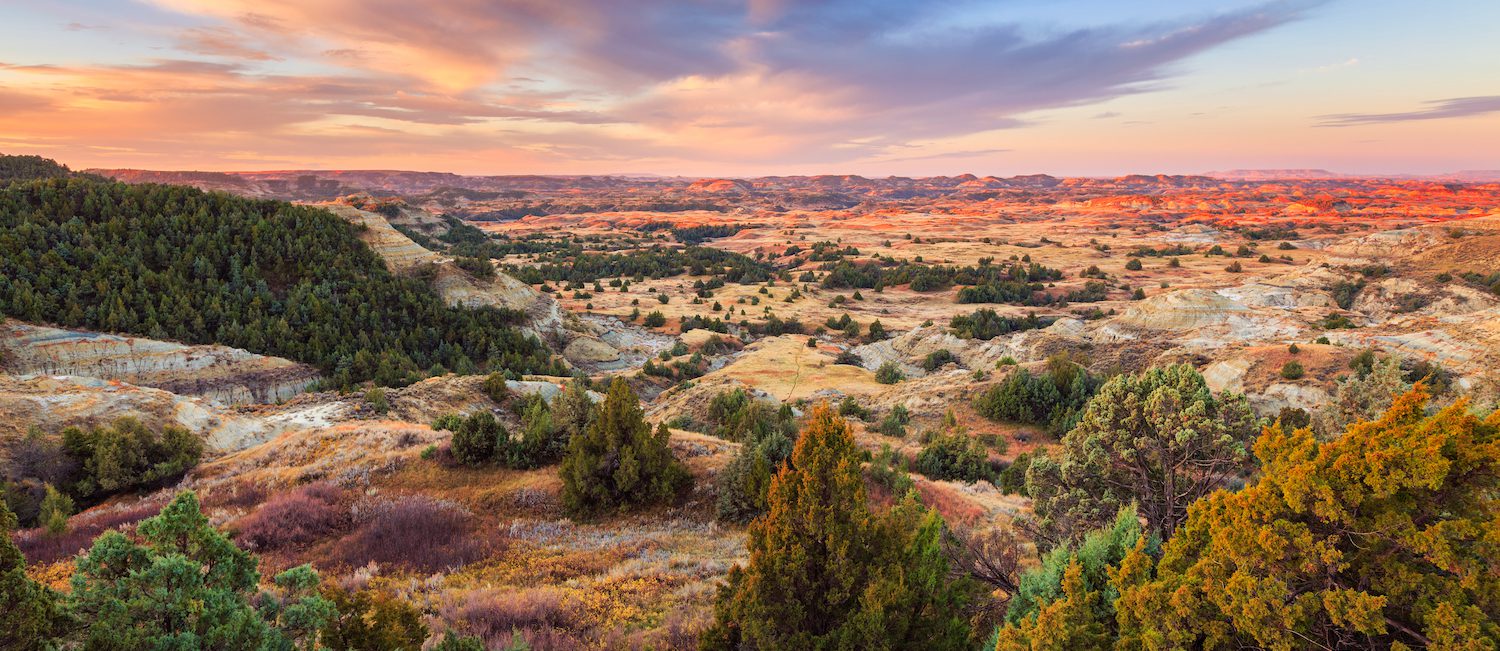
North Dakota, with its vast open plains, small-town charm, provides residents with a life surrounded by natural beauty. The state is known for its harsh winters and booming energy industry, which attracts new residents to its cities. Whether you’re browsing homes for sale in Fargo, considering renting in Bismarck, or exploring houses for rent in Grand Forks, here’s what you need to know before moving to North Dakota.

North Dakota at a glance
Living in North Dakota, you’ll experience small-town living and expansive rural landscapes, making it an appealing destination for various lifestyles. Fargo, the state’s largest city, is a growing urban center known for its thriving arts scene, diverse cultural events like the Fargo Film Festival. Other key cities like Bismarck and Grand Forks offer a mix of educational institutions, and community-focused living. North Dakota’s affordable cost of living, particularly in smaller towns and rural areas, makes it an attractive option for those seeking a high quality of life without high expenses.
North Dakota’s job market is strong, with key industries such as energy, agriculture, healthcare, and technology driving economic growth. Major employers headquartered in the state include MBI Energy Services, Altru Health System, and MDU Resources. The cultural scene is thriving, featuring numerous festivals, museums, and theaters that enrich community life. Residents can enjoy the state’s vast outdoor spaces, including Theodore Roosevelt National Park and the Missouri River, offering various recreational opportunities. With its strong job market, and wide array of activities, discover the best places to live in North Dakota to explore more of the state.
| Population | 779,094 |
| Median home sale price | $307,600 |
| Average monthly rent | $861 |
| Affordable places to live in North Dakota | Devils Lake, Jamestown, Valley City |
| Biggest cities in North Dakota | Fargo, Bismarck, Grand Forks |
1. The winters here are extremely cold
North Dakota is notorious for its harsh winters, with temperatures often dropping below -20°F, particularly in January and February. Winter storms are common, and the state experiences heavy snowfall, especially in the northern and central regions. Residents must be well-prepared for the cold, investing in high-quality winter gear, insulated housing, and reliable heating systems. The winter season can last from late October through April, making it crucial to adapt to the long, frigid months.
Insider scoop: Consider keeping a winter emergency kit in your car, including items like a blanket, non-perishable snacks, and a shovel, to stay prepared for any unexpected roadside emergencies during snowstorms.

2. North Dakota has low population density
North Dakota is one of the least densely populated states in the U.S., with vast stretches of open land and fewer than 800,000 residents spread across its large area. This low population density means you’ll often find yourself with plenty of personal space and little traffic, but it also means fewer amenities and services in rural areas. The state’s largest cities, Fargo and Bismarck, offer more in terms of entertainment, dining, and shopping, but even these urban centers maintain a laid-back, spacious atmosphere.
3. The state has strong winds across different regions
North Dakota is one of the windiest states in the U.S., with average wind speeds regularly reaching 10-15 mph and gusts often exceeding 30 mph, particularly on the open plains. The constant wind, especially in the western parts of the state, can make the cold winters feel even more biting and the summers cooler. Wind energy is a significant part of the state’s economy, with numerous wind farms harnessing the power of these strong gusts.
Insider scoop: To manage the persistent wind, invest in wind-resistant outdoor gear and secure your outdoor belongings, as gusts can easily blow away lightweight items and cause damage.
4. The cost of living here is low
North Dakota offers an affordable cost of living, with housing prices, utilities, and everyday expenses lower than the national average. The median home price in the state is around $307,600, lower than the national median of $439,455, making homeownership accessible for many, even in more urban areas like Fargo and Bismarck. Rental prices are also reasonable, with average rents for a one-bedroom apartment typically around $900-$1,00 per month. Coupled with low property taxes, North Dakota provides a financially attractive environment for individuals and families.
If you’re planning on moving to this state, you’ll want to consider the pros and cons of living in North Dakota, so you can learn what to expect.

5. People here are friendly
North Dakotans are known for their friendliness, often going out of their way to help neighbors and newcomers. The state’s culture emphasizes politeness, and it’s common for people to greet you with a smile or strike up a conversation even if you’re a stranger. This welcoming atmosphere makes it easier for newcomers to settle in and build relationships, particularly in smaller towns where community ties are strong.
6. Agriculture is a big deal here
Agriculture is the backbone of North Dakota’s economy, with the state being one of the leading producers of wheat, soybeans, corn, and other crops. The vast farmlands that stretch across the state not only shape the landscape but also sustain local communities and contribute significantly to the national food supply. Farming is deeply rooted in the state’s culture, with many families having been involved in agriculture for generations. Visitors and new residents can experience this agricultural heritage firsthand at local farmers’ markets, state fairs, and even farm-to-table restaurants.
Insider scoop: Be sure to check out the Bismarck-Mandan Farmers Market, one of the state’s largest and most popular, where you can find a wide array of fresh, locally grown produce, homemade goods, and artisan products.

7. You’ll need a car to get around
Due to the vast distances between towns and the limited public transportation options, having a car is essential for getting around North Dakota. The state’s sprawling landscape and low population density mean that even basic amenities like grocery stores or medical facilities can be miles away, especially in rural areas. Winter driving can be particularly challenging due to icy roads and snowstorms, so residents typically invest in reliable vehicles equipped for harsh conditions.
8. A lot of the homes here are energy efficient
Given the extreme weather conditions, many homes and apartments in North Dakota are built with energy efficiency in mind to minimize heating and cooling costs. Features such as high-quality insulation, energy-efficient windows, and modern HVAC systems are common in both new and older homes. Many residents also take advantage of state and federal incentives to install renewable energy systems, such as solar panels or geothermal heating. This focus on energy efficiency helps residents stay comfortable year-round and keeps utility bills manageable, even during the coldest months.
9. You can see the northern lights on a clear night
North Dakota’s location makes it an excellent place to view the northern lights, especially during the winter months. The aurora borealis can often be seen on clear, dark nights in the northern parts of the state, offering a breathtaking natural spectacle. The best viewing spots are in rural areas, away from any artificial light, where the sky is darkest. Witnessing the northern lights is a magical experience that draws both residents and visitors to the state’s wide-open spaces.
Insider scoop: For the best experience, head to Theodore Roosevelt National Park, which offers some of the darkest skies in the state and fewer light pollution, increasing your chances of catching a spectacular aurora display.
Methodology
Population data sourced from the United States Census Bureau, while median home sale prices, average monthly rent, and data on affordable and largest cities are sourced from Redfin.