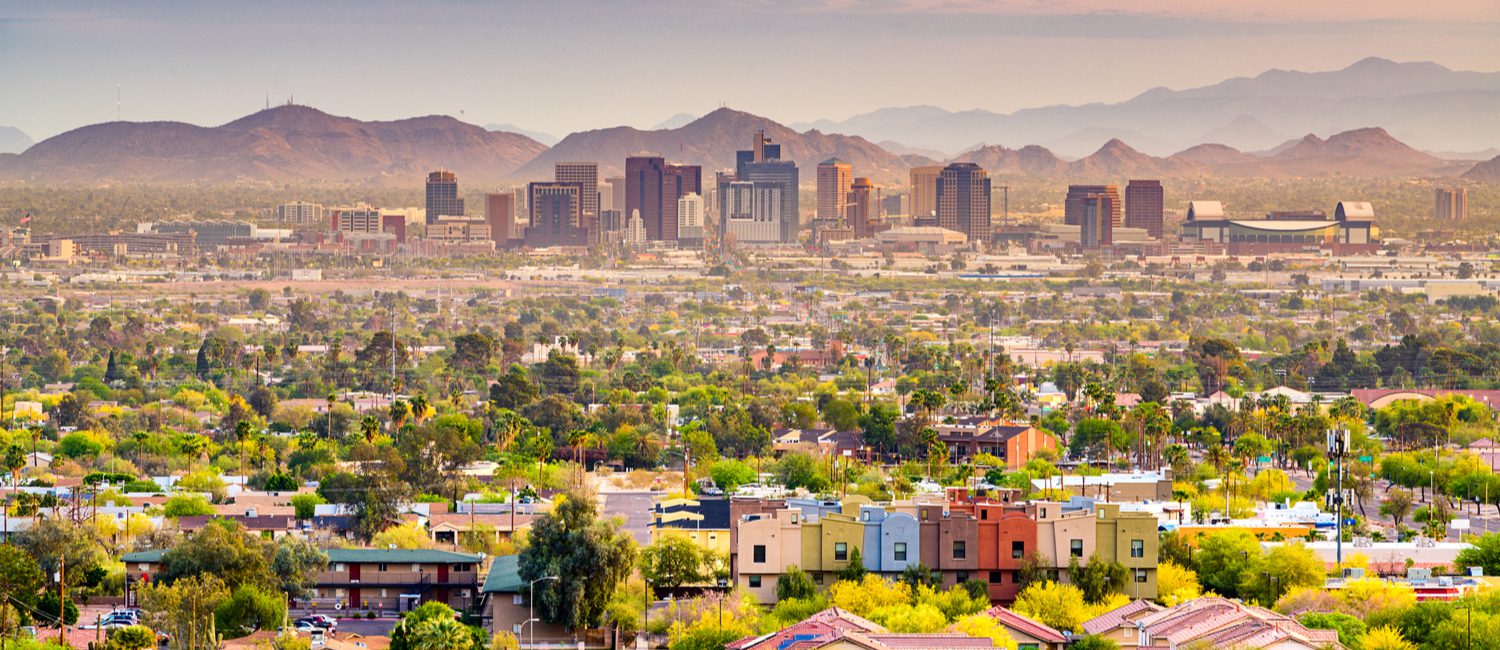
Arizona is full of desert landscapes, vibrant cities, and history, making it an intriguing destination for new residents. The state experiences a wide range of temperatures, from scorching summers in the lowlands to cooler climates in the high desert and mountain regions. Whether you’re browsing homes for sale in Phoenix, considering renting in Tucson, or exploring houses for rent in Flagstaff, here’s what you need to know before moving to Arizona.

Arizona at a glance
Arizona is a state of diverse landscapes and climates, offering everything from the expansive Sonoran Desert to the pine-covered mountains of the northern regions. Summers in much of the state can be extremely hot, especially in cities like Phoenix and Yuma, where temperatures often exceed 100°F. However, higher elevation areas like Flagstaff and Prescott provide a cooler alternative with four distinct seasons, including snowy winters. The state’s stunning natural wonders, such as the Grand Canyon and Sedona’s red rocks, provide endless opportunities for hiking, biking, and exploring.
The cost of living in Arizona varies depending on location, with larger cities like Scottsdale and Phoenix being more expensive than rural towns. Housing is generally more affordable compared to other western states, though prices have been rising in recent years due to population growth. Arizona is also known for its unique cultural blend, influenced by its Native American, Mexican, and Western roots, which is reflected in the state’s cuisine, festivals, and architecture. Whether you’re drawn to the vibrant city life or the tranquility of the desert, Arizona offers a lifestyle that caters to a variety of preferences.
| Population | 7,151,502 |
| Median home sale price | $444,600 |
| Average monthly rent | $1,499 |
| Affordable places to live in Arizona | Yuma, Casa Grande, Tucson |
| Biggest cities in Arizona | Phoenix, Tucson, Mesa |
1. Be prepared for the extreme heat in the summer
Arizona’s summer temperatures, particularly in cities like Phoenix and Tucson, can soar well above 110°F. This intense heat makes it essential to stay hydrated, avoid outdoor activities during peak hours, and ensure your home and car air conditioning systems are in top condition. Many residents shift their schedules to early morning or late evening to avoid the heat, and it’s common to see fewer people outdoors during the hottest months. If you’re new to the area, the adjustment to this extreme weather can be challenging, so proper preparation is key.

2. Diverse climate zones
Due to its varied topography, there are a wide range of climates living in Arizona. While the southern part of the state is known for its desert climate, the northern regions, such as Flagstaff, experience cooler temperatures and even snowfall in winter. This diversity allows for a unique living experience, where you can escape the summer heat by heading to the mountains or enjoy a mild winter in the desert. Each region offers its own set of challenges and benefits, so it’s important to choose your location based on the climate that suits you best.
Insider scoop: If you’re into skiing or snowboarding, check out Arizona Snowbowl in Flagstaff, a popular destination with stunning views and great slopes.
3. The outdoor activities are endless
Arizona is a haven for outdoor adventure, providing everything from hiking and rock climbing to kayaking and skiing. The state is home to breathtaking natural landmarks like the Grand Canyon, Sedona’s red rock formations, and the forests of the White Mountains. Whether you enjoy exploring desert trails, mountain biking, or water sports on Lake Powell, Arizona provides endless opportunities for adventure. The mild winters also mean you can enjoy these activities year-round, making it an ideal place for those who love the outdoors.
Travel tip: Before setting out, check trail conditions and weather forecasts, as desert heat and mountain weather can vary dramatically. For hiking in the desert, always carry plenty of water, wear sun protection, and start early in the day to avoid the peak heat.

4. Arizona has a high UV index
Due to its clear skies and high elevation, Arizona has one of the highest UV indexes in the country. This makes sun protection crucial, even during the cooler months. Residents should wear sunscreen daily, along with protective clothing, sunglasses, and hats to reduce the risk of sunburn and long-term skin damage.
5. Dust storms can happen
Arizona, particularly the Phoenix area, experiences dust storms, also known as haboobs, during the monsoon season from June to September. These storms can reduce visibility to near zero on the roads, making driving extremely dangerous. It’s crucial to know what to do if you encounter a dust storm—pull off the road, turn off your lights, and wait for the storm to pass. The dust can also aggravate respiratory conditions, so having a plan in place for protecting your health during these events is important.

6. The cost of living varies throughout the state
Arizona’s cost of living varies significantly depending on the location you choose. In some areas, expect the cost of living to be higher, like Sedona, where the median home sale price reaches $1,067,500. In contrast, more affordable places to live can be found in cities like Mesa where the median home sale price is $450,000. Rental rates also reflect these differences, with average monthly rents for a two-bedroom apartment around $2,314 in Scottsdale and $1,244 in Yuma. Researching and budgeting according to your preferred location and lifestyle will be crucial in managing living expenses in Arizona.
If you’re considering a move to Arizona, it’s essential to weigh both the pros and cons to determine if this state aligns with your lifestyle and preferences.
7. Water conservation can be critical here
Arizona’s desert environment means that water is a precious resource, and conservation is a way of life. Many homes feature xeriscaping, a type of landscaping that uses drought-resistant plants to reduce water usage. Water restrictions can be common, especially during periods of drought, and residents are encouraged to adopt habits like shorter showers, using low-flow fixtures, and limiting outdoor water use. Understanding the importance of water conservation is essential for adapting to life in Arizona.

8. Arizona is a golfing paradise
With over 300 golf courses, Arizona is a top destination for golfers. The state’s mild winters make it possible to play year-round, and the stunning desert landscapes provide a unique backdrop for the sport. Cities like Scottsdale are particularly famous for their world-class golf courses, many of which host major tournaments. Whether you’re a seasoned golfer or a beginner, Arizona’s golf culture offers something for everyone, and it’s a great way to enjoy the outdoors.
Insider tip: Check out the WM Phoenix Open, held annually at TPC Scottsdale in January, for a chance to experience one of the most exciting events in golf with vibrant crowds and a festive atmosphere.
9. The state has a snowbird season
Arizona attracts a large population of “snowbirds,” seasonal residents who flock to the state during the winter months to escape colder climates. This seasonal influx can lead to increased traffic, crowded restaurants, and higher demand for services from October through April. If you’re planning to move to Arizona, it’s important to be aware of this seasonal population spike, especially if you’re living in popular snowbird destinations like Phoenix, Scottsdale, or Mesa.
10. It can be hard to adjust to the altitude in the higher regions
In northern Arizona, cities like Flagstaff sit at elevations over 7,000 feet, which can take some getting used to, especially if you’re coming from lower elevations. The thinner air can lead to symptoms like shortness of breath, fatigue, and headaches, known as altitude sickness. It’s important to take it easy when you first arrive and give your body time to acclimate. Drinking plenty of water, avoiding strenuous activities, and being mindful of your body’s signals can help ease the transition.
Insider tip: Make sure to gradually increase your activity level and consider spending a night or two in a lower elevation area nearby before fully settling in, which can help your body adjust more comfortably.
Methodology
Population data sourced from the United States Census Bureau, while median home sale prices, average monthly rent, and data on affordable and largest cities are sourced from Redfin.