For many years, almost every household had a landline phone service that everyone had to share. These days, however, most people just use their wireless devices (a.k.a. smartphones). And it’s becoming more and more clear that the landline phone service is dying. More than half (59.2 percent) of U.S. homes are now fully wireless — a huge jump from a decade ago when only about 15 percent had dumped their home phone — while a scant 6.5 percent of households are landline service only.
The numbers are even more severe, upwards of 70 percent mobile-only, among those under 35. Yet a whopping 40 percent of homes with wireless or cell service still also maintain a landline phone. So, what’s a landline phone service and why should you consider having one?
What is a landline?
TechTarget defines a landline phone as “a telephone that transmits signals converted from audio data through physical media, such as wire or fiber optic cable, rather than through wireless transmission as is the case with mobile phones.”
The term landline is also sometimes used to refer to a dedicated line, which is a permanent connection between two locations. However, in recent years, the term is mostly used to differentiate fixed-line home phones from mobiles.
To put that into more understandable terms, a landline is a form of communication that has a dedicated line to which it’s connected. Meaning, unlike cellphones that can lose service depending on various circumstances, landlines are connected to a permanent power source and can almost always be used.

Pros of having a landline phone
You might be wondering if having a landline phone service is worth it, so here are the pros of investing in a landline in addition to your mobile phone service.
Service and emergency use
The primary reason people keep their home phone is in case of an emergency. In the event of a power outage or if cell service is interrupted, many people feel that landlines are necessary if there is a crisis.
It’s true that landlines are run on a dedicated power source, usually buried underground, and are mostly immune to outages and natural disasters. Although 911 location services for cell phones have vastly improved, if emergency services are needed, a call from a landline might expedite help to your location.
In the case of an emergency, they can track your address through your phone number making your home easier to find in a hurry. If this is a concern for you, it might be a good idea to retain a landline phone service.
Cell quality
Additionally, keeping your landline phone service is helpful if your cell signal is unreliable. Many homes are built with metal and concrete walls and have radiant barriers in the attic which block cell signals.
If you have trouble getting service indoors or are in a bad location, a landline can be crucial. Otherwise, you’ll have a hard time making or receiving a call within your own home with poor cell service.
Convenience
Did you know that fixed phone service is good for your credit rating? Having a landline is a great way to have proof of residence for credit and legal purposes.
Additionally, if you make a number of international calls, landlines are often the cheaper option. And as we all know from experience, the sound quality of a landline is usually superior, but that’s of little help if the other person you’re calling is on a cell phone.
Easy to use and find
It’s not uncommon to lose your cell phone. They’re small and can be misplaced easily. Plus, if you keep them on vibrate, it feels almost impossible to find them when they’re lost. A pro to having a landline is that if you lose your cell phone you still have a way to communicate with people.
Another bonus is that you can call your cellphone to look for it. Or, if your cell phone battery dies, you still have a way to communicate. Landlines are also easier to use. For many people, a cellphone can be complicated and hard to navigate, whereas, landlines are a simple and straightforward way of communication.
Good for the workplace
Landlines are a great option to have in an office. Since the workplace relies on professionalism their reliable service and clear sound quality make them ideal for talking to business associates.

Cons of a landline phone service
While there are many pros to having a landline, there are also some cons. Here are some reasons why a landline may not be the right option for you.
Cost
The overwhelming reason that people are dumping their landlines is cost, with standard home service averaging $40 to $50 per month. As we pay higher and higher fees for cell service, maintaining a landline can be superfluous. If you bundle your landline service with your internet or cable, the cost can decrease, however, it may still feel expensive month over month.
If you have a good cell signal in your house, the economics of having two phones often doesn’t add up. And with so many VoIP services, such as Skype or video chatting on Facebook or Google available, the options for wireless calling seem endless.
Spam calls
A third of people ignore their home phone when it rings, assuming the call is a robocall or from a salesperson. According to the Federal Communications Commission, it’s illegal for telemarketing companies to call you on your cell phone, however, that does not apply to landline phones. And, believe it or not, more than a quarter of people don’t even remember their home phone number when prompted.
No extra features
Unlike cell phones, landlines don’t have any fancy extra features — you can make and receive calls. This can be a deterring factor for many when deciding to get a landline. While simplicity can be nice some people want more bang for their buck when it comes to phones and the features it provides.
Limited availability
Unlike cellphones that can go wherever you go, landlines only work when you’re home or around them.
Is it still worth having a landline phone?
Is it worth dropping landline phone service? If you feel confident in your community’s 911 service through your cell phone, most likely. Experts estimate landlines to be obsolete by 2025.
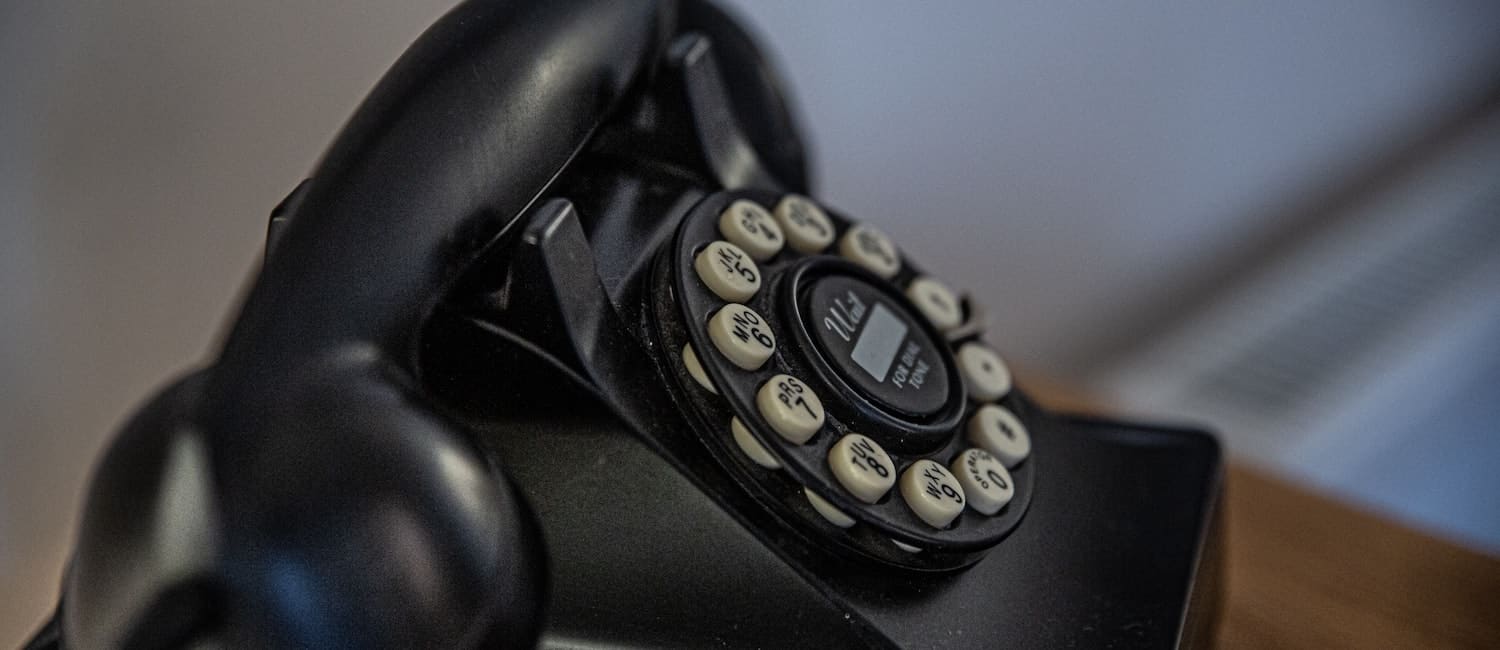
But go ahead and do the math and determine if the cost savings are worth it. Contact your cable company and see if you can save money with a landline, internet and cable bundle or call your local phone service and see how much a bare-bones home phone plan would cost. It may be worth the few extra dollars to hang onto that old rotary dial.