Texas isn’t just a state; it’s a lifestyle. From BBQ-loving cities to dusty desert towns and tech-driven hubs, Texas offers a one-of-a-kind living experience. But is Texas a good place to live? Here’s a closer look at what it’s really like to rent in Texas.

Is Texas a good place to live?
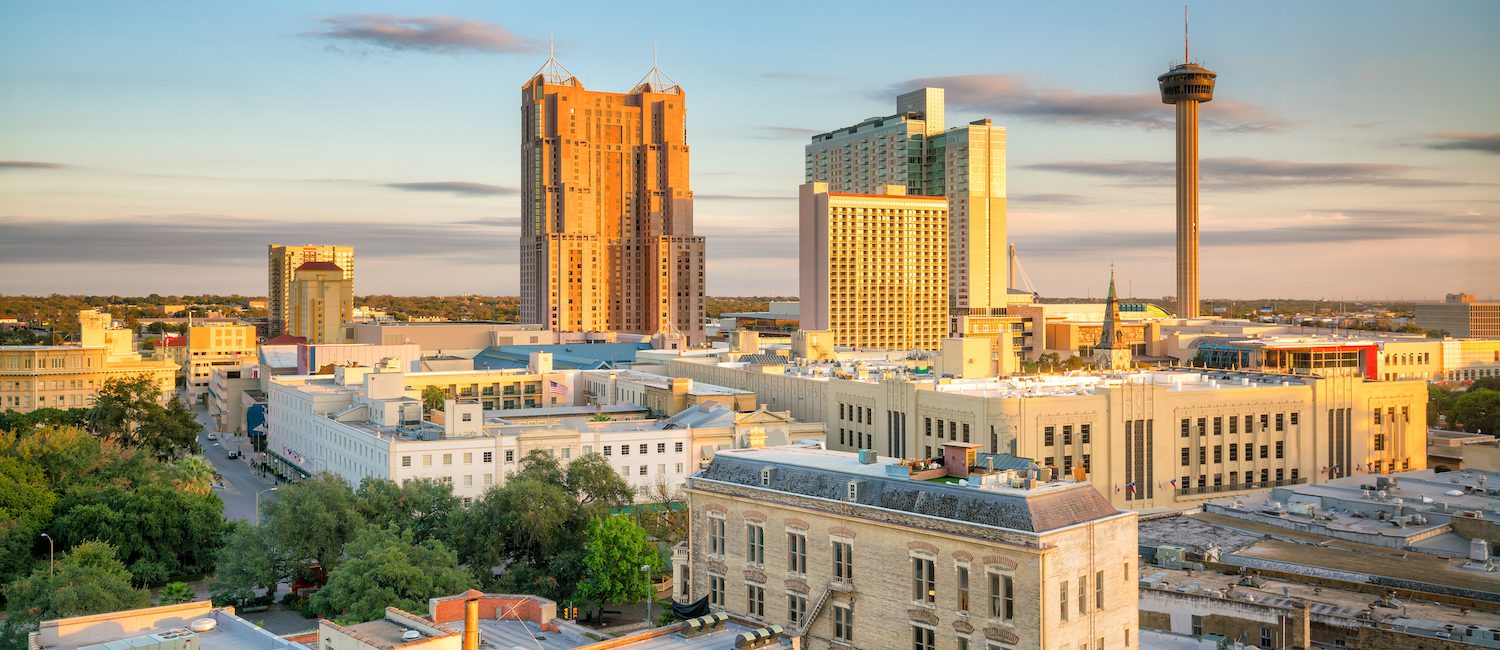
Texas is a state of extremes: from the desert landscapes of West Texas to the rolling Hill Country and large cities like Houston, Dallas, Austin, and San Antonio. It’s one of the fastest-growing states, attracting people for its job market, low taxes, and warm weather. Major employers span industries like tech, energy, healthcare, and education, with giants like Dell, ExxonMobil, and Tesla calling Texas home. The cultural scene is just as big, with music festivals in Austin, the Houston Rodeo, and art districts in cities like Fort Worth and Dallas. Outdoorsy types can enjoy Big Bend National Park, Gulf Coast beaches, and Hill Country hikes, making Texas a great blend of city life and wide-open spaces.
Texas overview
| Population | 30,503,301 |
| Biggest cities in Texas | Houston, San Antonio, Dallas |
| Average rent in Houston | $1,245 |
| Average rent in San Antonio | $1,136 |
| Average rent in Dallas | $1,422 |
1. Pro: Texas-sized job market
Texas has a booming economy across a wide range of industries. Austin is a tech magnet—often called “Silicon Hills” for companies like Apple, Dell, and Tesla setting up shop here. Houston’s energy sector is colossal, employing thousands in oil, natural gas, and clean energy. Dallas is a financial and corporate hub, while San Antonio offers growing opportunities in healthcare and biosciences. Whatever your field, Texas likely has a city that’s a match for your career.

2. Con: Traffic tangle and sprawling roads
With Texas’s rapid growth, congestion has become a real issue. Houston’s “610 Loop” can feel like a parking lot, and Austin’s I-35 is notorious for bottlenecks, especially during big events like SXSW. Dallas’s highways are vast and complex, and Texans have perfected the art of the “Texas Turnaround”—where you’ll often exit the highway just to get right back on.
3. Pro: Texas has affordable rent
Texas stands out for generally affordable rent compared to many other states, offering attractive options for those seeking a more budget-friendly place to live. Major cities like San Antonio and Fort Worth have one-bedroom apartments averaging around $1,136 to $1,304 per month, making them accessible choices for renters. Even in Austin, where the tech boom has driven prices up in recent years, the average rent for a one-bedroom is about $1,397—a deal compared to other tech hubs. Smaller cities like El Paso are even more affordable, with one-bedroom rents averaging around $941.

4. Con: Unpredictable weather and storms
Texas weather is a wildcard, and every region has its quirks. Central Texas can go from sunshine to a thunderstorm in an hour, West Texas has sudden dust storms, and the Gulf Coast faces hurricanes. Additionally, tornado Alley stretches across North Texas, and hailstorms are common across the state.
Insider scoop: During tornado season, locals know the drill: they keep an eye on weather apps, listen for sirens, and have a safe room or plan ready just in case.
5. Pro: Legendary food scene beyond BBQ
Yes, Texas BBQ is iconic, but there’s so much more to it. Houston is one of the most diverse food cities in the nation, with top-tier Vietnamese, Nigerian, and Indian cuisine. Austin’s food truck culture offers everything from brisket tacos to vegan sushi, and San Antonio’s Tex-Mex rivals the best in the world. Locals know that Buc-ee’s—the world’s largest convenience store—is also a dining experience in itself, with brisket sandwiches, kolaches, and more.

6. Con: Summer heat, especially in Central and West Texas
Texas summers can be brutal, particularly in places like Austin and San Antonio where temperatures often hit triple digits. In West Texas, it’s a dry heat, but along the Gulf Coast, humidity can be overwhelming. Air conditioning is non-negotiable here, and electric bills tend to soar during the hottest months.
Insider scoop: Texans know to get up early for outdoor activities before the afternoon sun strikes. Many also take advantage of natural swimming spots like Austin’s Barton Springs Pool and San Antonio’s Comal River to cool down.
7. Pro: Year-round outdoor adventures
Texas has outdoor activities to spare, from tubing the Guadalupe River to camping in Big Bend. East Texas has lush forests, while West Texas offers desert landscapes with unique rock formations. The Gulf Coast has miles of sandy beaches, and the Hill Country’s scenic hikes are ideal for springtime bluebonnet blooms.
Travel tip: While the big parks get attention, locals love smaller spots like Garner State Park for river floats, or Lost Maples State Natural Area in fall, where the leaves turn a rare red and orange—a unique sight in Texas.
8. Con: Limited public transit in most areas
Unless you’re in downtown Dallas or Houston, public transportation can be scarce. Outside the cities, a car is essential. Even in sprawling metros like Austin, the transit system is limited, which can lead to long commutes. Texas’s size means that unless you’re in a metro hub, expect to drive a lot to get where you need to go.

9. Pro: Texas pride and cultural richness
Texans are proud of their state, and it shows in everything from festivals to high school football games. Dallas hosts the State Fair of Texas with fried food creations galore, and cities like Austin celebrate quirky culture with events like Eeyore’s Birthday. Rodeo culture is alive in cities like Fort Worth, where you’ll see cattle drives and cowboy boots galore.
Insider scoop: Texas loves its music too. Austin’s live music scene goes beyond just country, with genres like rock, blues, and indie taking center stage at bars, especially along the famous 6th Street.
10. Con: Some cities are prone to sprawl
In cities like Dallas and Houston, urban sprawl is a reality. These areas cover enormous spaces, and it’s common to find yourself driving half an hour to reach the nearest grocery store or gym. For renters moving to Texas, it’s worth considering how close you’ll be to work, entertainment, and amenities, as public transit options are limited.
Pros and cons of living in Texas: Overview
| Pros | Cons |
| Texas-sized job market | Traffic tangle and sprawling roads |
| Affordable rent | Unpredictable weather and storms |
| Legendary food scene beyond BBQ | Summer heat, especially in Central and West Texas |
| Year-round outdoor adventures | Limited public transit in most areas |
| Texas pride and cultural richness | Some cities are prone to sprawl |