Deciding between moving to North Dakota vs. South Dakota can be tough—they’re neighboring states with strong histories, beautiful landscapes, and plenty of charm. Whether you’re drawn to North Dakota’s expansive prairies or South Dakota’s iconic landmarks, each state offers a unique lifestyle. In this Rent. article, we’ll explore the key differences in cost of living, climate, unique experiences, and more, helping you find the perfect place to call home in the Dakotas.

Lifestyle: Small-town living vs. outdoor recreation
North Dakota offers a quieter, small-town vibe with a focus on agriculture and community. Cities like Fargo and Bismarck are the state’s main urban hubs, providing a mix of cultural attractions while maintaining a close-knit feel. The pace of life is slower, with residents often enjoying local traditions like state fairs, farmers’ markets, and ice fishing during the winter months. North Dakota’s prairie landscapes and wide-open spaces cater to those who value a deep connection to nature.
South Dakota, while also rooted in small-town charm, has a more tourism-driven lifestyle. The Black Hills region, home to Mount Rushmore and Crazy Horse Memorial, draws millions of visitors annually. This has created booming local economies in cities like Rapid City and Deadwood. Sioux Falls, the state’s largest city, combines urban amenities with outdoor access, offering hiking, cycling, and other recreational activities. South Dakotans tend to embrace a more outdoorsy lifestyle, with events and activities tied to the state’s natural beauty and historical sites.
Overall, North Dakota leans toward a quieter, agrarian lifestyle, while South Dakota combines small-town living with a stronger focus on tourism and outdoor recreation.
Cost of living: Affordability in North Dakota vs. South Dakota
Both Dakotas are among the most affordable states in the U.S., but there are slight differences.
In North Dakota, the median home price is approximately $265,000, with many cities having a mix of affordable suburban housing and newer developments. Rent prices average around $860 per month for a one-bedroom apartment. Perhaps due to its remote location, food costs in North Dakota are higher than the national average. Total grocery costs are 2.1 percent above the national average. However, utilities like electricity and water are close to or below the national average.
South Dakota has a higher median home price of about $330,000 and rents averaging around $1,000. Similar to North Dakota, total grocery costs are 1.8 percent above the national average. The good news is, for utilities like water, electricity, and internet, you’ll be paying less than the national average in South Dakota. With numerous big rivers cutting through the state, South Dakota gets the majority of its electricity from hydropower. This contributes to the state’s cheaper utility costs.
Both states are highly affordable. North Dakota comes out on top when it comes to housing costs while South Dakota has a slight edge for utility costs.

Taxes: A key difference between the Dakotas
When it comes to taxes, South Dakota is more favorable. It has no state income tax, making it a popular choice for many. Property taxes are moderate, with an average effective rate of about 1.22%, and sales taxes are around 4.5%, depending on the local jurisdiction.
North Dakota, in contrast, does have a state income tax, with rates ranging from 1.1% to 2.9%, depending on income. However, property taxes in North Dakota are slightly lower, averaging around 1.05%. Sales taxes are also modest, typically around 5%, but some cities may have additional local taxes.
Climate: Harsh winters vs. seasonal balance
North Dakota is known for its harsh winters and dramatic temperature shifts. Winters can see temperatures dropping well below zero, with heavy snowfall and icy conditions common from November through March. Summers, however, are warm and pleasant, often reaching highs in the 80s, making it ideal for outdoor activities like hiking and camping.
South Dakota experiences a more moderate climate overall, though it still has cold winters. The western part of the state, near the Black Hills, tends to have milder winters compared to the plains. Summers are warm and sunny, with temperatures typically in the 80s to low 90s, offering a longer season for outdoor recreation.
Both states face challenging winters, but South Dakota’s western regions provide slightly milder conditions.

Sports teams: Local pride and college athletics
Professional sports are scarce in both states, but North Dakota has a strong following for the North Dakota State University (NDSU) Bison, whose football team is a dominant force in the NCAA Football Championship Subdivision. Hockey is also a major pastime, with the University of North Dakota’s hockey program drawing passionate fans.
South Dakota has a similar focus on college athletics, with the University of South Dakota Coyotes and South Dakota State University Jackrabbits leading the charge in sports like basketball and football. Rodeo culture is also prominent, particularly in smaller towns and during statewide events like the Black Hills Stock Show & Rodeo.
Signature experiences: The nature of the Dakotas
South Dakota has some of the most iconic landmarks in the country. You can explore Mount Rushmore or view the ongoing construction of the Crazy Horse Memorial, a tribute to Native American heritage. South Dakota also features the scenic beauty of the Badlands National Park, with its striking geological formations, and the historic town of Deadwood, where the Wild West comes to life through reenactments and restored architecture. These experiences showcase South Dakota’s deep historical and cultural significance, making it distinct from its northern neighbor.
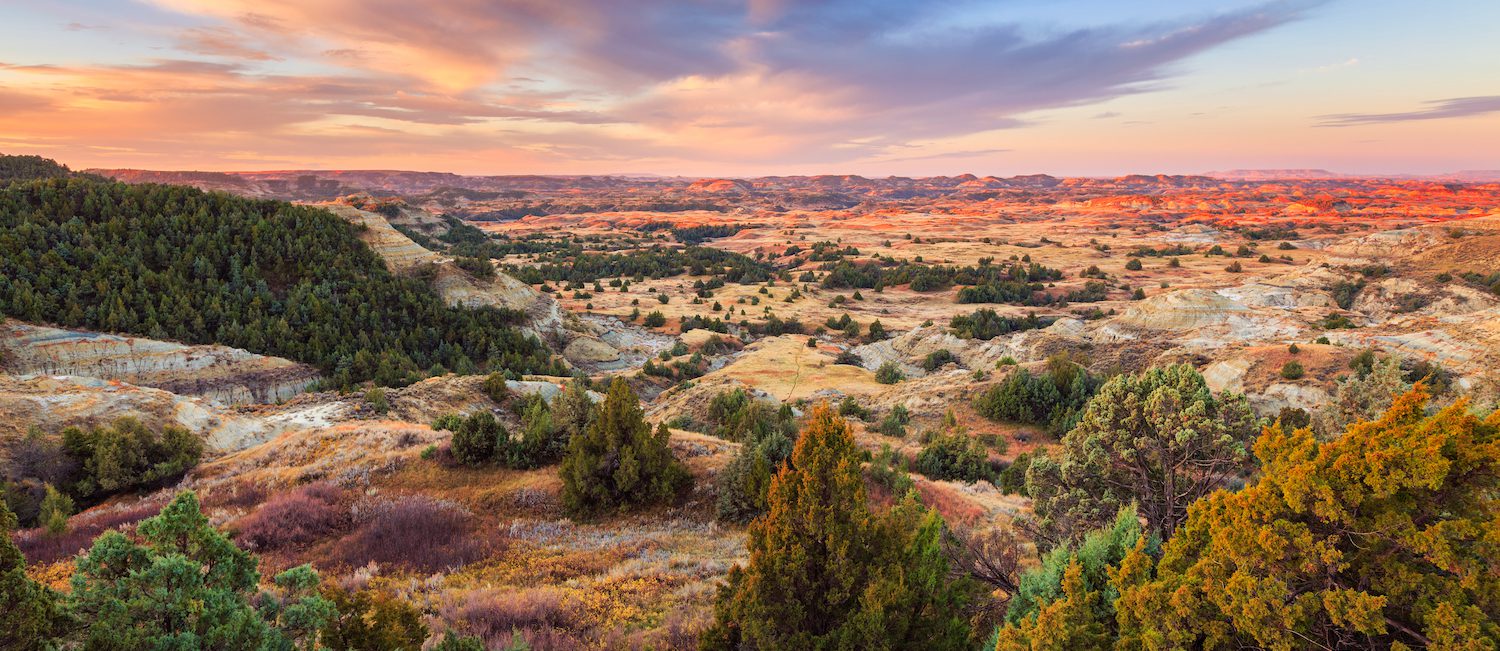
In North Dakota, the signature experiences revolve around its wide-open prairies and untouched natural beauty. You can drive the Enchanted Highway, a 32-mile stretch dotted with massive metal sculptures, or visit the International Peace Garden, which straddles the U.S.-Canada border and symbolizes friendship between nations. North Dakota is also home to the rugged landscapes of Theodore Roosevelt National Park, where you can see wild bison roaming the badlands—a uniquely tranquil and immersive experience you won’t find elsewhere.
While North Dakota provides solitude and natural beauty, South Dakota has iconic attractions and dynamic cultural experiences.

Job markets and major industries: North Dakota vs. South Dakota
North Dakota thrives on agriculture and energy, while South Dakota leverages tourism and service industries for economic growth.
North Dakota’s economy is heavily tied to agriculture, energy, and manufacturing. The state is a major producer of wheat, soybeans, and oil, with its Bakken oil fields contributing significantly to the energy industry. Cities like Fargo and Bismarck also have growing healthcare and education sectors.
South Dakota has a more diversified economy, with strong industries in tourism, healthcare, and financial services. The state benefits from its national monuments and parks, which drive significant tourism revenue, while cities like Sioux Falls are home to major healthcare networks and financial companies like Citibank.
Rent.com does not provide legal, tax, or financial advice. This article is for informational purposes only and is not a substitute for professional advice from a licensed attorney, tax professional, or financial advisor.